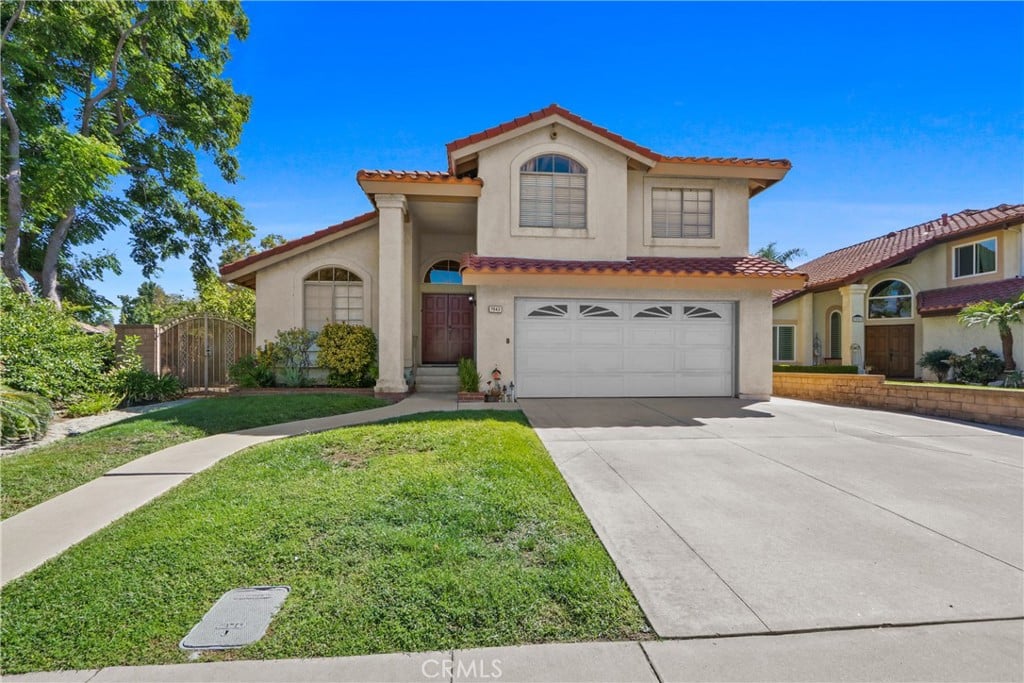
Short answer: In most cases, a Rancho Cucamonga home held in a properly funded living trust can be sold after a parent passes without going through probate court. The successor trustee named in the trust has the authority to list and sell the home, but California law requires the trustee to notify beneficiaries and heirs within 60 days, and the timing of that notice, the title paperwork, and family communication usually shape the whole sale.
That is the general picture. The details matter, especially for foothill and luxury homes in Alta Loma, Etiwanda, and the north side of the city where values often sit above $850,000 and a single decision about timing or repairs can affect every beneficiary's share.
Key takeaways
- A home titled in a living trust usually passes outside probate, so there is no court confirmation hearing and no court overbid process.
- The successor trustee generally has authority to sell, but must serve the notice required by California Probate Code section 16061.7 within 60 days after the trust becomes irrevocable.
- Many trustees wait to close until the contest period described in that notice (generally 120 days) has run, or until their attorney advises it is reasonable to proceed.
- Selling and keeping the home are treated very differently for tax purposes. Proposition 19 and federal basis rules both come into play, so talk with a CPA before deciding.
- Clear, regular communication with every beneficiary is often what keeps a trust sale calm and on schedule.
Do you need probate to sell a house in a trust in California?
Usually not. When a parent placed the home into a revocable living trust during their lifetime and the deed shows the trust as owner, the home is a trust asset rather than a probate asset. At the parent's passing, the successor trustee named in the trust document steps in and manages the property according to the trust's terms.
Probate may still be needed if the home was never actually deeded into the trust, a common issue when a property was refinanced and the title was moved out of the trust and never moved back. Before anything else, the trustee and their attorney should confirm how title is currently held. A preliminary title report from the title company is the usual way to check.
If the home did end up in probate, the process is very different. Our guide on selling an inherited or probate home walks through court confirmation and the other steps involved.
Who has the authority to sell the house?
The successor trustee does. Beneficiaries are the people who will eventually receive the proceeds or the property, but the trustee is the one who signs the listing agreement, accepts an offer, and signs the closing documents. The trust document itself spells out the trustee's powers, and most modern California trusts include a broad power to sell real property.
That said, having authority and having agreement are two different things. Trustees owe legal duties to the beneficiaries, so many trustees choose to share the plan, the pricing approach, and offers with the family even when the trust does not require their approval. Your attorney can explain what your specific trust requires.
What is the 60 day notice, and how does it affect timing?
Under California Probate Code section 16061.7, when a revocable trust becomes irrevocable because a settlor (the parent who created it) has died, the trustee must serve a written notice on each beneficiary and each heir of the deceased parent. The notice is due no later than 60 days after that event.
The notice must include a bold warning explaining that a person may not bring an action to contest the trust more than 120 days after the notice is served, or 60 days after a copy of the trust terms is delivered during that 120 day window, whichever is later. That deadline appears in Probate Code section 16061.8.
The law does not automatically stop a trustee from listing during that period, but many trustees, title companies, and attorneys prefer to let it run before closing, especially when the family relationship is strained. In practice, that 120 day window often becomes the backbone of the sale calendar: preparation and pricing happen early, and the closing date is set with the contest period in mind.
What paperwork does the trustee need before listing?
Every file is different, and the trustee's attorney and the title company make the final call, but these items come up on most trust sales:
- A certified copy of the death certificate.
- The trust document and any amendments, or a certification of trust under California Probate Code section 18100.5, which title companies commonly accept instead of the full trust.
- An affidavit recorded with the county showing the change in trustee. The San Bernardino County Assessor-Recorder-County Clerk forms page lists an Affidavit of Change of Trustee among its recorder forms. Your attorney or title officer will confirm which form fits your situation.
- A preliminary title report confirming the trust holds title and showing any loans, liens, or HOA items.
- Utility, insurance, and HOA information so the home stays insured, maintained, and current while it is on the market. Vacant homes often need a different insurance policy, so check with the carrier.
Should the family sell or keep the home? Two rules to understand
This is where general information ends and professional advice begins, but two rules shape almost every conversation.
Proposition 19 and property taxes
Under Proposition 19, a child who inherits a parent's home can keep part or all of the parent's lower assessed value only if the child makes the home their own principal residence and meets the filing requirements. The excluded amount is capped. According to the California State Board of Equalization, the inflation adjusted exclusion amount is $1,044,586 for transfers from February 16, 2025 through February 15, 2027 (Source: BOE news release, March 7, 2025). If no child will live in the home, the property is generally reassessed, which is one reason many families decide to sell rather than rent it out. For foothill homes with long ownership histories, the difference between the parent's tax bill and a reassessed bill can be significant, so it is worth getting the actual numbers from the assessor and a CPA.
Federal basis rules
The IRS explains that the basis of inherited property is generally its fair market value on the date of the decedent's death (Source: IRS, Gifts and Inheritances FAQ, page reviewed September 29, 2026). Because of that, many trustees order a date of death appraisal early. Your CPA will explain how this applies to your trust and what records to keep.
A trust sale in Rancho Cucamonga usually avoids probate court, but it still runs on a legal clock: notice to beneficiaries within 60 days, a contest period that often lasts 120 days, and a title company that needs the right recorded documents before it will close.
How do you price and prepare an inherited home in the foothills?
Many trust homes in Alta Loma, Etiwanda, and San Antonio Heights have been owned by the same family for decades. They often have strong lots, mature landscaping, and mountain views, along with original kitchens, older roofs, or aging pools and equipment. The pricing question is rarely just "what are homes selling for," it is "what will buyers pay for this home as it stands versus after a few targeted repairs."
A good approach for a trustee usually includes:
- A written pricing analysis that every beneficiary can see, based on recent nearby sales of comparable homes. Our guide on what a Rancho Cucamonga home is worth explains how that analysis comes together.
- A repair versus credit decision made with the whole family's interests in mind. Some trustees choose light cosmetic work and cleaning only; others invest in paint and flooring. There is no single right answer, and the trust's cash on hand often decides it.
- A clear estimate of net proceeds before listing. See our breakdown of the cost to sell a home in Rancho Cucamonga for the typical line items.
- Personal property decisions made before photos. Clearing the home of furniture and belongings is often the most emotional part of the process and the one that most often delays a listing.
How long does a trust sale take?
Timelines vary with the family, the trust, and the home itself. As a general outline, the first few weeks usually go to gathering documents, confirming title, and serving the trustee's notice. Preparation, cleanout, and pricing often overlap with the 120 day contest period. Once the home is listed and in escrow, the closing itself typically follows a normal escrow timeline. If a beneficiary is also buying or selling their own home, our guide on selling and buying at the same time may help with coordination.
Aaron's perspective
Trust sales tend to be smoother than probate sales because there is no court calendar, but they are not always simpler for the family. In my experience, the hardest parts are rarely the paperwork. They are the conversations: siblings who live in different states, an attorney for the trustee and sometimes a second attorney for a beneficiary, a CPA asking about the date of death value, and a house full of memories. My role is to be the neutral, organized point of contact, keeping every party informed with the same information at the same time so the trustee can make decisions with confidence and the sale stays on track.
If you are a successor trustee or a beneficiary of a Rancho Cucamonga or foothill home and want a calm, no pressure conversation about your options, call or text me at 909.402.3523 or email [email protected].
This article is general information only and is not legal or tax advice. Please confirm the specifics of your trust, Proposition 19, and any tax questions with your attorney or CPA.
Last updated: November 18, 2026
Frequently asked questions
Can a successor trustee sell a house without all beneficiaries agreeing?
Often yes, if the trust grants the trustee a power of sale, which most California trusts do. The trustee still owes duties to the beneficiaries, so many trustees share their plan and offers with the family. An attorney can explain what your trust requires.
Can we list the home before the 120 day contest period ends?
California law does not automatically prevent listing during that period, but many trustees and title companies prefer to close after it runs. Ask your attorney and title officer how they want to handle timing on your file.
Does the house get reassessed for property taxes if we sell it?
A sale to an outside buyer is a change in ownership, so the buyer's purchase price generally sets the new assessed value. Proposition 19 benefits apply only when a qualifying child keeps the home as a principal residence. The San Bernardino County Assessor and your CPA can confirm details for your property.
Do we need to clear out the house before listing?
Not always, but it usually helps. Homes are typically easier to photograph, show, and inspect once personal property is removed. Some families sell certain items through estate sale companies first.
What if the home was never put into the trust?
If the deed does not show the trust as owner, the home may need to go through probate or another court process. Your attorney can review the deed and explain the options, including whether a Probate Code section 850 petition might apply.
Aaron Stel
Stellar Real Estate Group / eXp Realty
909.402.3523 / [email protected]
Realtor DRE: 01951620